







Search Results for: G1 Hand-Drip Coffee Beans

Drip Bag Black Coffee Recommendations | What Water Temperature Should You Use to Brew Hand-Drip Drip Bag Americano Black Coffee? What Are Some High-Value Specialty Drip Bags Suitable for Beginners?
If you have no idea about pour-over coffee but still want to drink coffee, what should you do? You might want to try drip bag coffee, which is convenient, quick, and simple. But a reminder: don't just throw the drip bag into water, or soak it together with the paper tag on top, because that way the coffee will not only lack flavor but also taste bad. In addition, [more…]
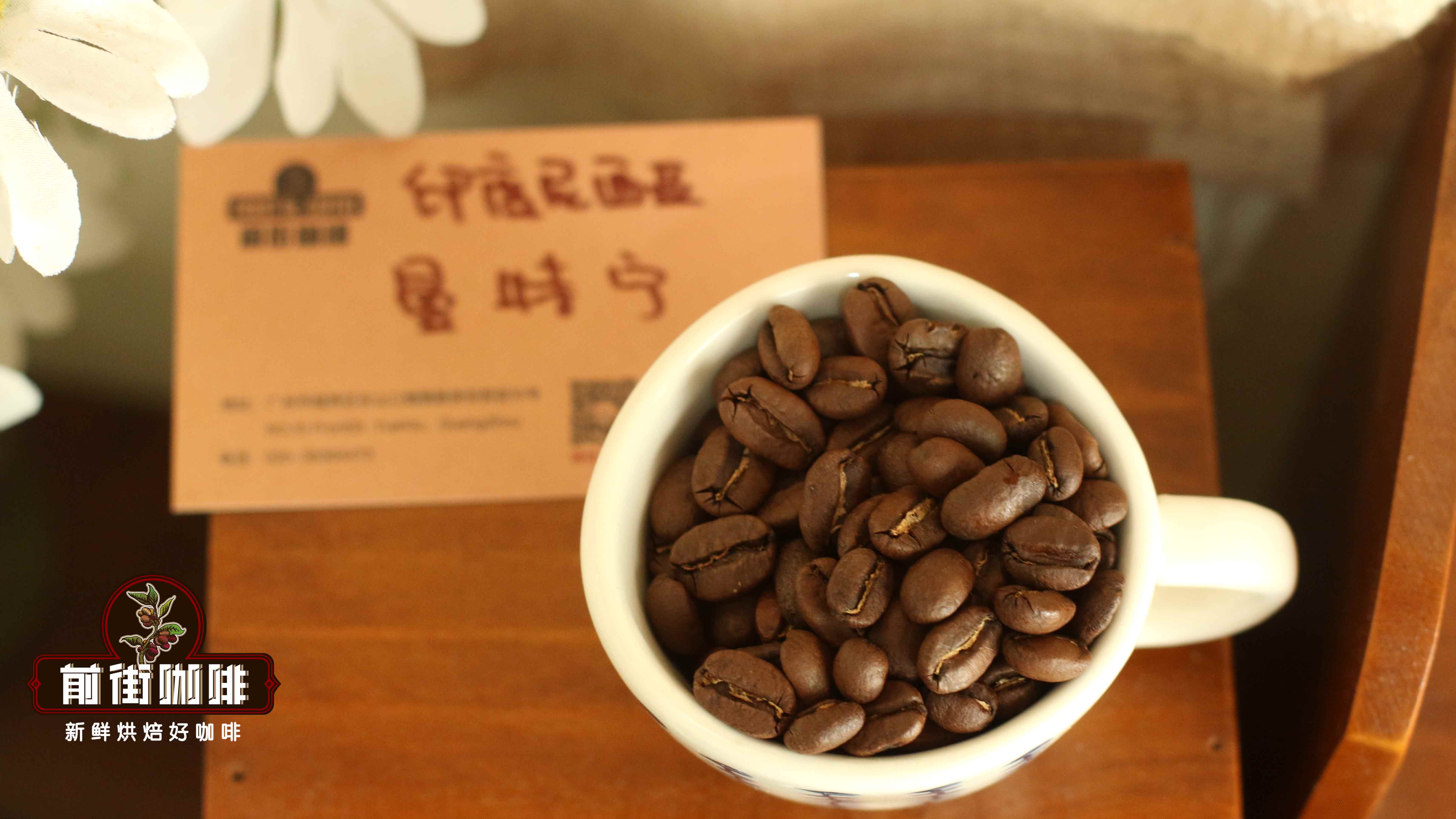
How to Choose Hand-Drip Coffee Beans? Flavor Comparison from Indonesian Mandheling to Front Street Coffee's Three Major Producing Regions
To experience the most natural flavor of coffee through pour-over, choosing the right beans is the first step. Coffee beans fall into two main categories: single-origin and blended. The former is better suited to filter extraction, and pour-over is a prime example of that. Starting from the differences in flavor, this article recommends three beans—Front Street Colombia Huila, Front Street Mandheling, and Front Street Yirgacheffe—corresponding to the acidic, medium, and bitter taste preferences respectively, making it easy for beginners to find the flavor they enjoy. The article also takes an in-depth look at the origin information, processing method, and flavor characteristics of Indonesian Sumatra Lintong Mandheling, and tells the historical story behind the name Mandheling. [more…]
What is the difference between Indonesian Lintong Mandheling and PWN Golden Mandheling? Key points for brewing hand-drip black coffee
Indonesian Mandheling is a favorite among many coffee lovers, but faced with different names on the market such as Lintong Mandheling and Golden Mandheling, many people feel confused. This article starts from the several Mandheling products launched by Front Street Coffee, sorting out the historical context of Indonesian coffee, the origin of the name Mandheling, and the unique wet-hulling process of Sumatra. It focuses on comparing the differences between Lintong Mandheling and Front Street PWN Golden Mandheling in terms of producing region, variety, grade, and flavor, and includes Front Street Coffee's roasting approach and pour-over parameters, helping readers understand the character of the two beans, whether for daily pour-over or bean selection, they can find a reference. [more…]
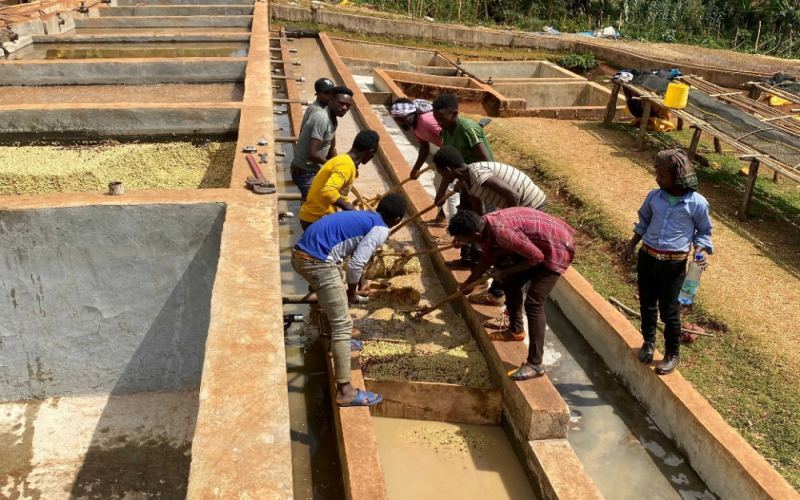
Washed Yirgacheffe Medium-Light Roast Flavor Analysis: A Complete Guide to G1 Grade Pour-Over Bean Taste and Brewing Parameters
Washed processing is one of the most essential green coffee processing methods in the specialty coffee world, and Yirgacheffe, as a star-producing region in Ethiopia, is known for its washed G1-grade beans with clean, bright floral and fruity notes. At Front Street Coffee, we prioritize washed beans for cupping when selecting beans, screening for the lots that best represent the terroir of the region. This article starts with the principles and advantages of the washed process, compares it with the differences of the natural method, and breaks down in detail the flavor characteristics of washed Yirgacheffe—the layered notes of jasmine, citrus, berries, and honey—and explains the reasoning behind a medium-light roast. It also includes Front Street Coffee's complete brewing parameters and technique sharing for both hot and iced pour-over Yirgacheffe, helping coffee enthusiasts recreate a cup of clear, clean Yirgacheffe at home. [more…]
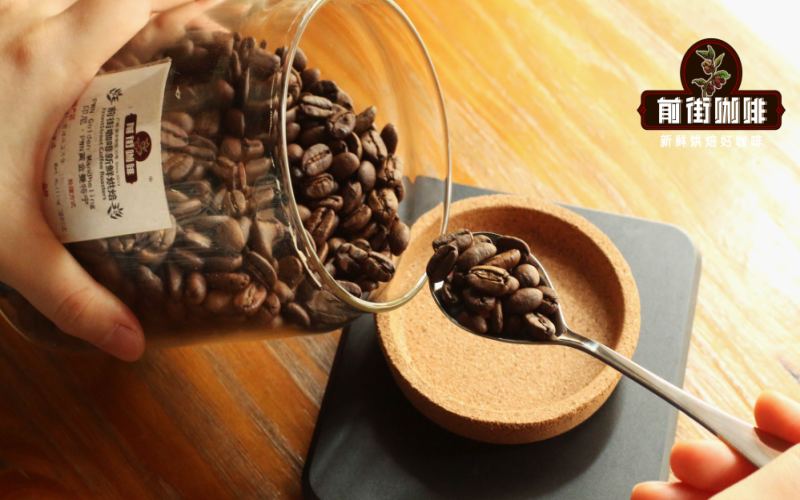
Coffee Roast Levels Explained | What Is Medium Roast Coffee? Recommended Affordable, Easy-Drinking, Low-Acid Hand-Drip Coffee Beans
The transformation of a bean from light roast to dark roast takes only a few short minutes to complete, with a temperature difference of just about 10°C, yet the flavor and aroma undergo earth-shattering changes. Light roast refers to beans dropped during the period from the middle of first crack to just after the end of first crack! At this point, the beans, because within their bodies [more…]
Brazil Coffee Estate Picks: Hand-Drip Beans and Flavor Analysis, Front Street Canaan Estate Sweet Flatbread Coffee Review
As the world's largest coffee-producing country, Brazil's estate beans are attracting increasing attention from pour-over enthusiasts. Starting from the terroir of its producing regions, this article recommends Brazilian coffee estates worth trying, and answers what kind of Brazilian beans are suitable for pour-over and whether Brazilian coffee is actually good. It particularly introduces Front Street Coffee's Brazil Canaan Estate coffee—a unique bean with chocolate cookie and sweet flatbread flavors, specially reserved by Central Fork Roasting Company and hailed as "sweet flatbread coffee." From the Gem Estate in the Mantiqueira Mountains of the Carmo de Minas region to the silky, toasted-bread-like comfort in the cup, this guide takes you through the full charm of Brazilian specialty coffee. [more…]
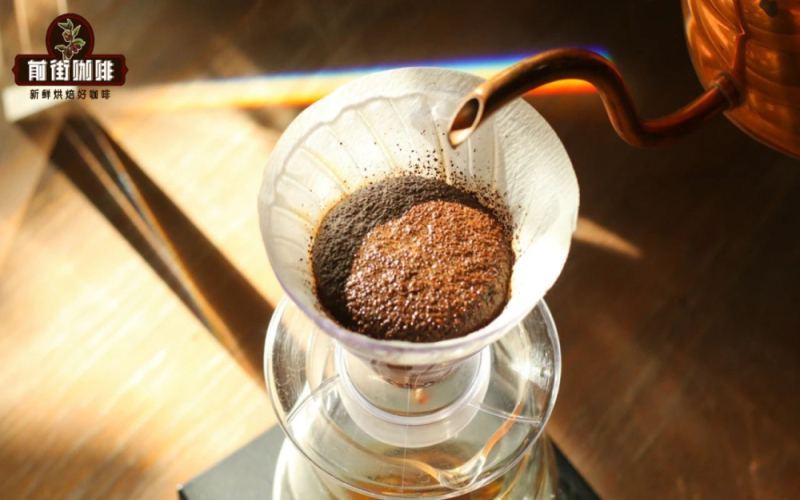
How Much Water and How Long Does Hand-Drip Coffee Blooming Need? A Comprehensive Analysis of the Role and Key Points of Blooming
The bloom is a step in pour-over coffee that cannot be overlooked. People often say, "You can tell whether a coffee will taste good just by looking at the bloom." As a result, many enthusiasts deliberately chase the perfect "coffee hamburger" effect. But once you truly understand the principles behind the bloom, you'll find that it isn't complicated at all. This article will cover the role of the bloom, how to control water volume and timing, and common misconceptions in practice, helping you grasp the core logic of blooming. At the same time, drawing on advice from Front Street Coffee, it also answers how to adjust when you can't wet all the coffee grounds with twice the water volume, so that the bloom truly serves extraction. [more…]
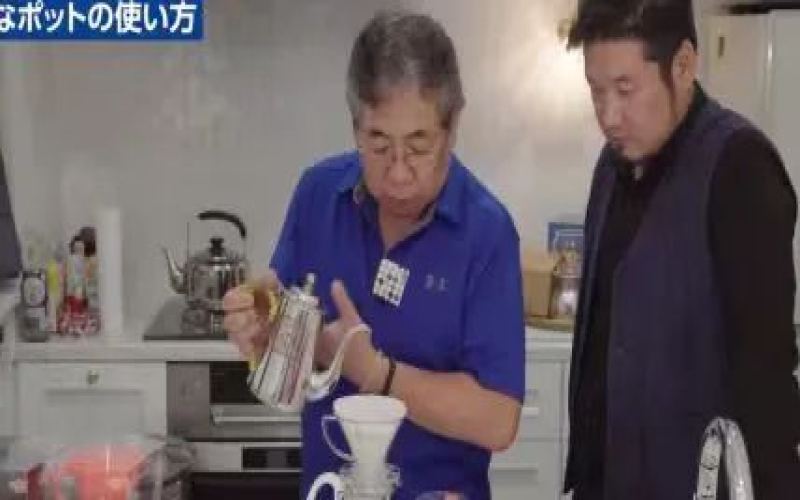
Japanese-Style Hand-Drip Method Operation Guide: How the Kono Drip Method Brews a Rich, Full-Bodied Coffee Flavor
The drip method, a highly distinctive extraction technique in Japanese-style pour-over, was developed in 1973 by the Kono family, founders of the Kono brand, with the aim of giving coffee a richer, fuller body. This technique involves slowly saturating the coffee grounds with an extremely fine stream of water; only after the coffee bed has absorbed its fill of water and finished degassing does the coffee liquid begin to drip out in significant quantities. Starting from the operational details, this article explains the water-control techniques and judgment criteria for the drip method, and, combined with the brewing performance of Front Street Coffee's Golden Mandheling, guides you through the spice, caramel, dark chocolate, and popcorn-like rich flavors this technique brings out, as well as the lingering Pu'er tea finish after swallowing. [more…]
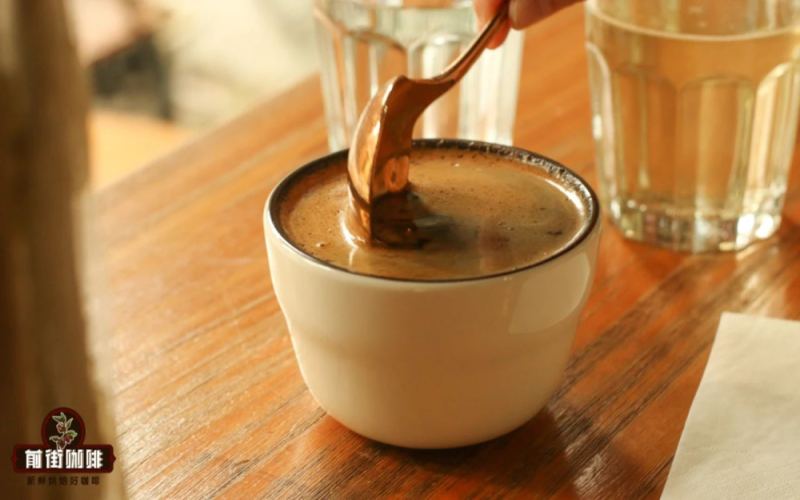
Balanced Hand-Drip Coffee Bean Recommendations: Medium-Roast Single-Origin and Blends That Are Neither Sour Nor Bitter
For many coffee lovers, an ideal pour-over coffee should possess a harmonious balance of acidity, sweetness, and bitterness, rather than any single flavor being too dominant. So how do you select a truly balanced option—neither too acidic nor too bitter—from a dazzling array of coffee beans? This article will start with the concept of "balance" in cupping, analyze the relationship between roast level and flavor expression, and focus on recommending several medium-roast beans from Front Street Coffee, including Brazil Queen's Estate Yellow Bourbon, Costa Rica Tarrazu, Papua New Guinea Bird of Paradise, and Strawberry Candy Blend. Whether you are a beginner just starting out or a user looking for cost-effective everyday beans, these coffees can deliver a smooth, balanced brewing experience. [more…]
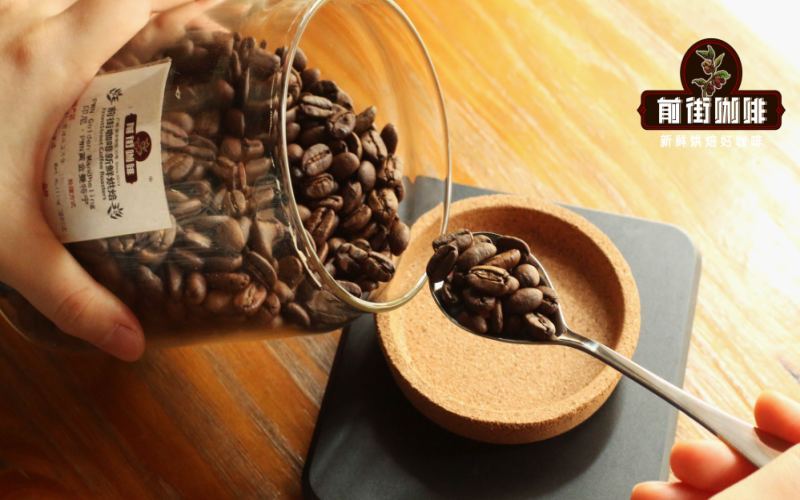
How Should You Store Hand-Drip Coffee Beans Properly? A Full Analysis of the Flavor Characteristics of Twelve Common Single-Origin Beans
The freshness of coffee beans directly determines the flavor profile of a cup of pour-over coffee, and storage method is the key factor affecting freshness. This article approaches the topic from two preservation strategies—green beans and roasted beans—analyzing the three major flavor killers: light, temperature, and oxygen. It also introduces the respective advantages of one-way degassing valve bags and vacuum-sealed canisters, while explaining the difference between a coffee bean's peak flavor period and its shelf life. Finally, it compiles twelve common coffee beans suitable for pour-over and their flavor characteristics, covering the Front Street Coffee everyday drinking series and more distinctive single-origin beans, helping you quickly find your ideal choice based on taste preference. [more…]
High-Value Specialty Hand-Brewed Coffee Beans | How to Brew Single-Origin Beans as Hand-Drip Black Coffee with High Sweetness? Where Does the Sweet Aroma of Hand-Brewed Coffee Beans Come From?
To some people, black coffee is bitter; to others, it's sour. But if you hear someone say, "Wow, this cup of coffee is so sweet!" you'd probably think to yourself, "How could black coffee possibly be sweet?" As Front Street has explained in the article analyzing the chemical composition of green coffee beans, the sucrose in green coffee beans, [more…]
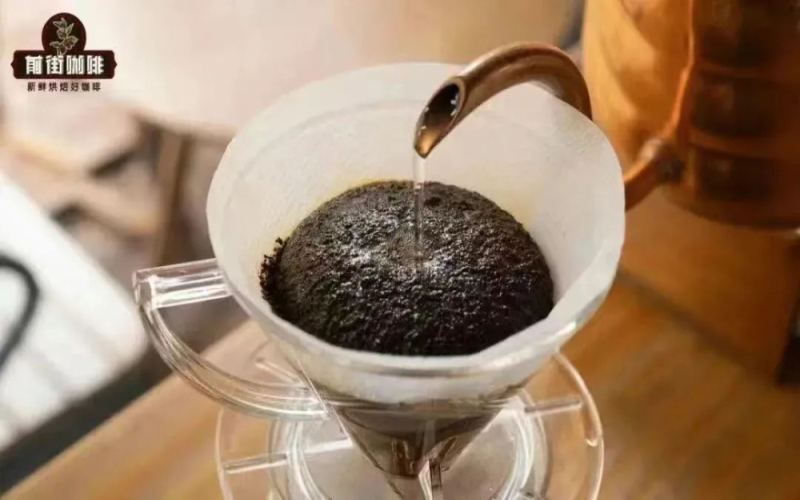
Why Does Japanese Hand-Drip Coffee Favor a Large Dose? Analyzing the Extraction Logic of High Concentration and Low Extraction
Japanese-style pour-over often uses a large dose of 20g or more—what extraction logic lies behind this? Starting from the characteristics of the dark-roasted beans favored by the Japanese, this article explains why they dislike bitterness, why they choose a coarse grind, and how a large dose slows the flow and increases concentration by thickening the coffee bed, ultimately forming a "high concentration, low extraction" style. The article also compares the differences between the Japanese-style coffee-to-liquid ratio and the conventional coffee-to-water ratio, and points out how a long extraction time, combined with a large dose, brings out caramel aroma and a highly sweet, lingering finish. If you are interested in the unique methods of Japanese brewing, or want to understand the concept of high concentration, low extraction discussed by Front Street Coffee, this article will give you clear answers. [more…]
The Essential Guide for Office Workers Buying Hand-Drip Coffee Beans: From Roast Date to Flavor Matchmaking
For office workers who rely on coffee to stay energized every day, drinking coffee has long become a fixed routine, but not many people truly know how to pick a good bag of beans. If you want to get your hands on a bag of pour-over coffee beans that suits you, there is actually a method to follow: freshness is fundamental, and the roast date, packaging method, and storage habits all directly affect the flavor in the cup. Starting from the logic of selection, this article sorts out three key points to pay attention to when buying, and organizes a recommended list of seven Front Street Coffee beans according to taste preferences, covering different directions such as nutty notes, floral acidity, and rich boldness, helping beginners quickly pinpoint their first bag or their next bag of everyday beans. [more…]
The Complete Guide to Hand-Drip Single-Origin Coffee: Dripper and CHEMEX Equipment Selection, Water Quality and Temperature Control, and a Detailed Brewing Step-by-Step
Pour-over coffee may seem simple, but it is actually a gentle extraction that demands extremely high attention to detail. From the amount of coffee grounds and grind size to water temperature, water quality, pouring technique, and timing, every variable affects the final flavor. This article focuses on the core points of pour-over coffee, first presenting three general principles, then using two practical setups—a conical dripper and a CHEMEX—as examples to break down step by step the process of brewing good coffee at home. Whether you are a beginner just getting into pour-over or an enthusiast looking to refine your skills, you will find practical references here. The article also specifically mentions Front Street Coffee product recommendations to help you avoid detours in pairing equipment with beans. [more…]
Top 10 Specialty Coffee Bean Origins Worldwide: A Guide to Affordable Online Hand-Drip Bean Recommendations
Selecting coffee beans is the starting point for making a good cup of coffee, and controlling quality from the source is especially key. Coffee-growing regions around the world each have their own terroir characteristics, and different origins give coffee beans completely different flavor expressions. This article selects the world's top ten recognized high-quality coffee-producing countries and their representative beans, covering Brazil, Costa Rica, Colombia, Ethiopia, Indonesia, Honduras, Yunnan China, Panama, Kenya, and Rwanda. Each bean is accompanied by a specific flavor description, along with recommended corresponding Front Street Coffee products, making it convenient for coffee enthusiasts to refer to when shopping online. Whether you are a beginner just starting out or a connoisseur pursuing the ultimate flavor, this list can help you find a high cost-performance choice suitable for everyday pour-over. [more…]
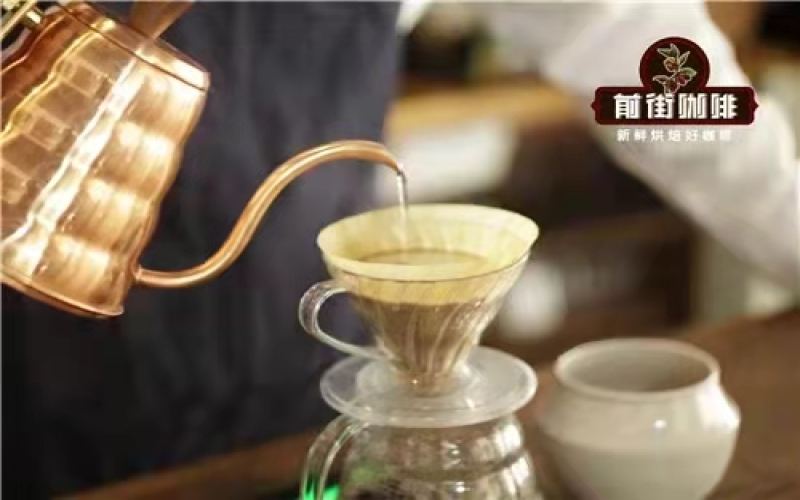
A Complete Analysis of One-Pour Hand-Drip Coffee: Operational Key Points from Blooming to Pouring and Differences Compared with the Three-Pour Method
The one-pour method is the seemingly simplest yet, in reality, most understanding-demanding brewing approach in pour-over coffee. It doesn't require complex staged pouring—just a single pour of the remaining water after blooming. But truly brewing a good cup of one-pour coffee tests not the technique itself, but a systematic command of coffee bean information and brewing parameters. This article will dissect the essence of this brewing method from the angles of the basic principles of the one-pour method, the scientific basis of extraction, the actual differences from multi-stage pouring, and how to judge blooming time, helping you understand why simple doesn't mean easy. [more…]
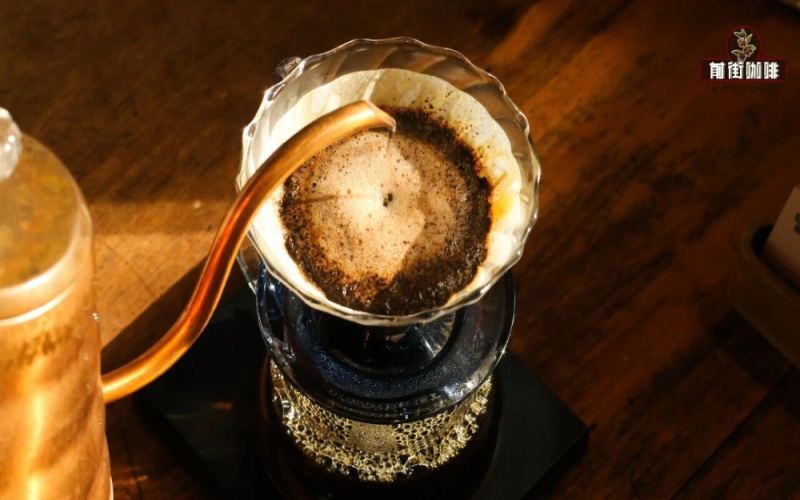
A Detailed Guide to the One-Pour Hand-Drip Coffee Method: Tetsu Kasuya's Simplified Pouring Technique and Front Street Coffee's Practical Parameters
Pour-over coffee techniques often intimidate beginners, requiring repeated practice to achieve consistent results. This article introduces a brewing method called "one-pour," publicly presented in 2019 by Tetsu Kasuya, the 2016 World Brewers Cup champion. Its core idea is to skip the bloom phase, pouring all the target water in a single large stream within 15 seconds, then letting the dripper complete the process through natural filtration. This method demands very little pouring skill and has low equipment requirements, yet yields coffee with lively flavors and rich fruity notes. Front Street will share improved parameters and flavor performance based on actual testing with the Hario Infinity dripper, making it a useful reference for coffee enthusiasts who want an easy introduction to pour-over brewing. [more…]
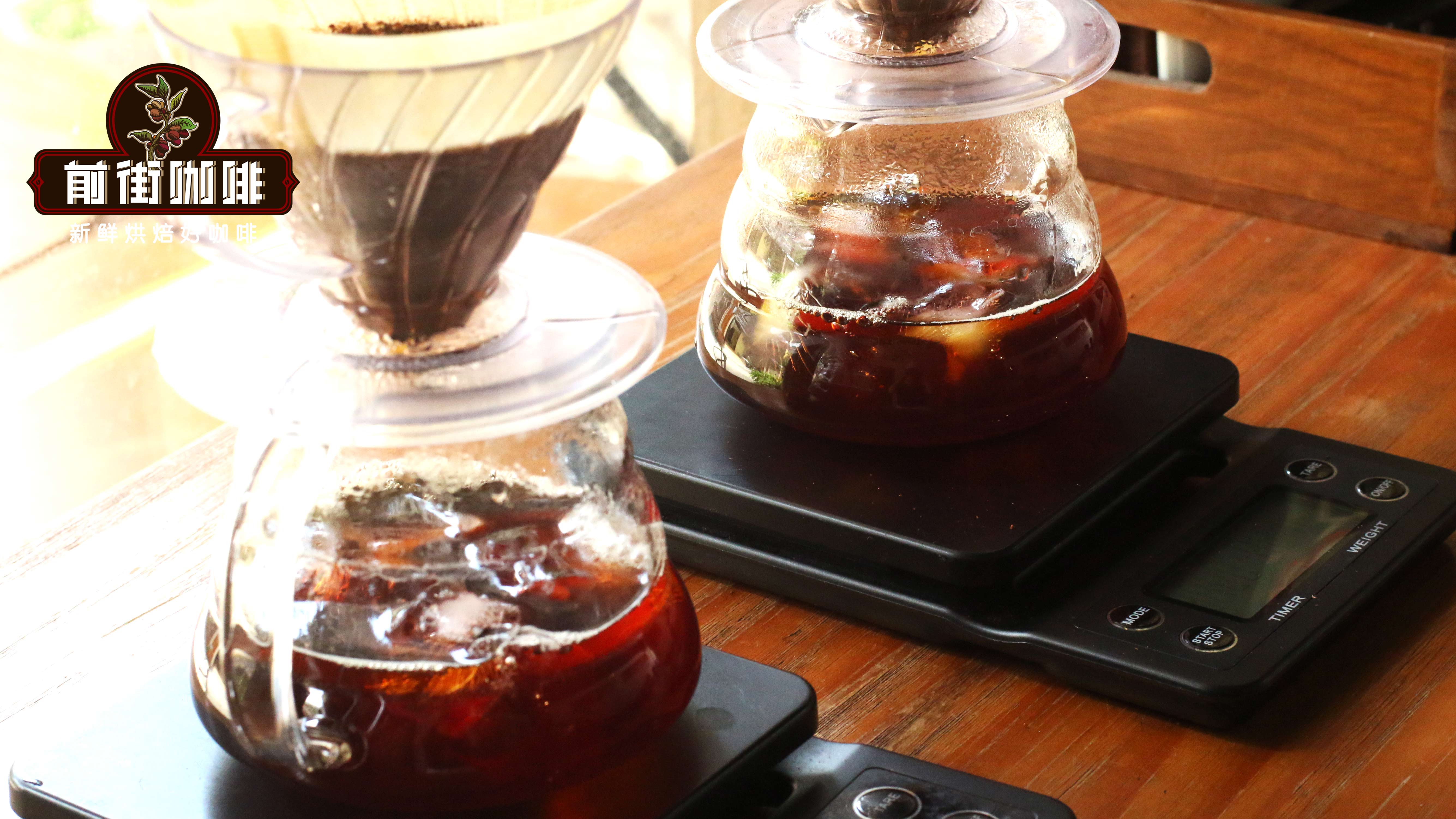
A Beginner's Guide to Choosing Hand-Drip Coffee Beans: A Complete Approach from Origin and Processing Method to Roast Level and Budget
First time trying pour-over coffee, and faced with a dazzling bean list, how should you get started? This article begins with the Coffee Belt, guiding you through the flavor differences among African, American, and Asian origins, then delves into how processing methods such as natural, washed, honey, and anaerobic affect the taste, and next analyzes which beans suit light, medium, and dark roasts respectively, finally offering practical advice for beginners on budget and everyday beans. It retains several representative single-origin recommendations from Front Street Coffee to help beginners gradually build their own flavor map. [more…]
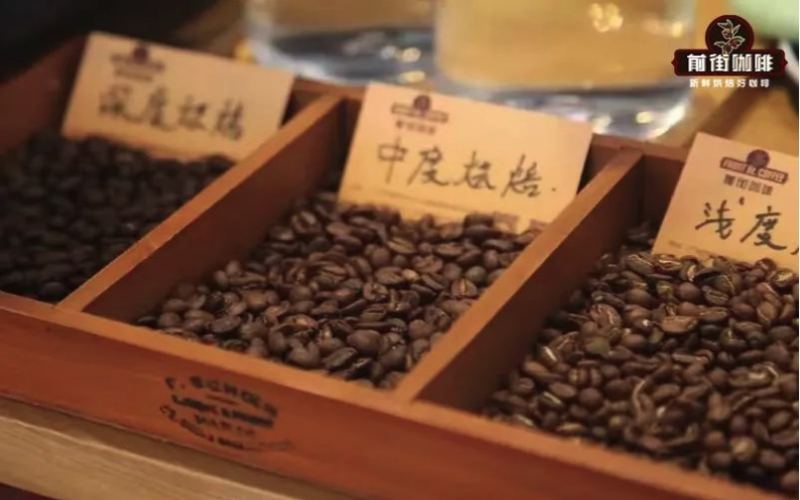
From the Blue Mountain coffee era to the Geisha dynasty, how come nowadays coffee beans are all sour?
If you hear someone beside you describing the taste of a cup of drink, "floral, fruity acid, honey sweet, tea charm……" There is no doubt that this is probably describing the flavor of the coffee in his cup. Nowadays, it is hard to know what the "coff [more…]
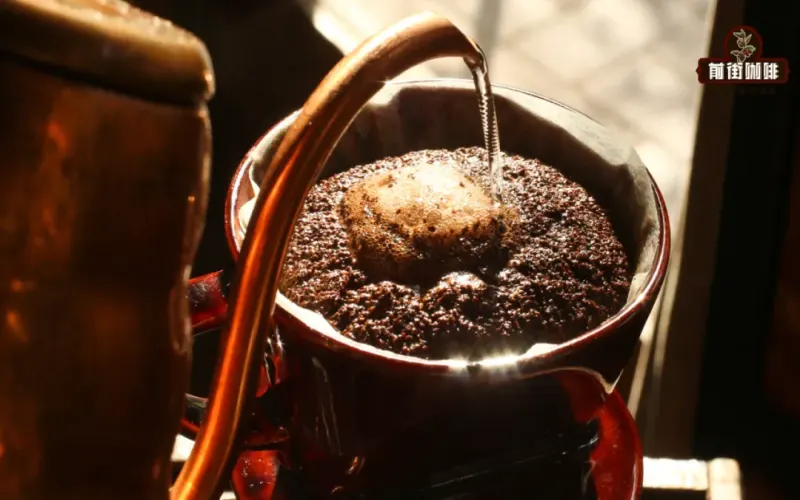
The Classic Japanese Hand-Drip Volcano Method: The Principles Behind High Sweetness in Dark Roast Coffee and Complete Step-by-Step Instructions
The volcanic pour is a highly distinctive brewing method within the Japanese hand-brewing system, named for the way the coffee bed rises and bubbles like a volcanic eruption during extraction. It is designed specifically for dark-roasted coffee, relying on a small stream of water, multiple intermittent pours of small volumes, and a high-concentration, low-extraction approach to ultimately present a cup of coffee with pronounced sweetness and a rich, smooth body. Starting from Front Street's experience shared on multiple occasions, this article provides an in-depth analysis of the underlying logic of the volcanic pour: why it can create a volcanic eruption-like spectacle, why only dark-roasted beans are up to the task, and how high concentration with low extraction avoids bitterness and improves extraction efficiency. The article also provides complete brewing parameters and a practical demonstration using Front Street's Golden Mandheling, guiding you step by step through this brewing experience that is both visual and gustatory.【图片1】【图片2】【图片3】【图片4】【图片5】【图片6】【图片7】【图片8】【图片9】【图片10】【图片11】 [more…]